

Designs and configurations
Wear & Slide Plates
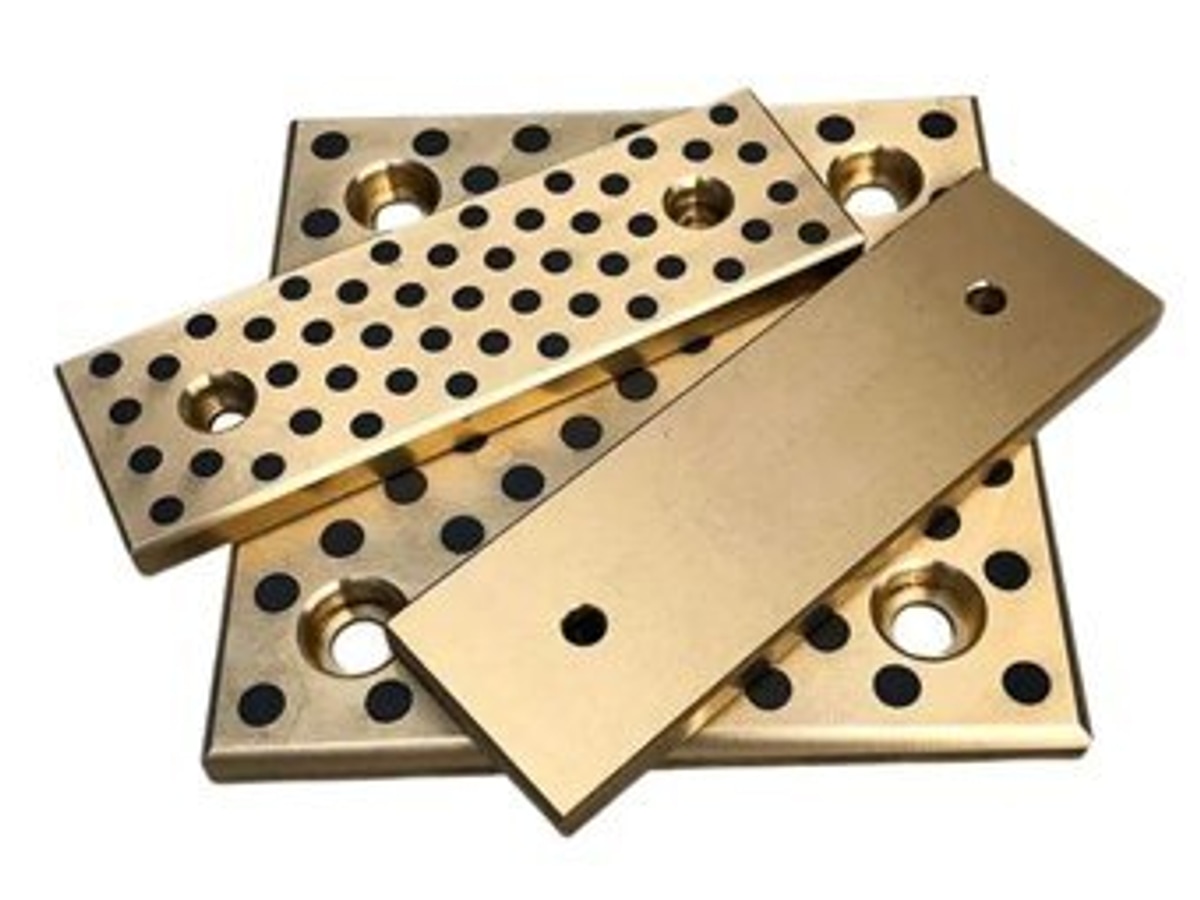
Replaceable plates form a controlled wear surface on mold slides and other moving interfaces. Specify the sliding pair and lubrication requirements.
Designs and configurations ↓Material options
Bronze · Copper alloy
The final grade and treatment are confirmed after reviewing your drawing and operating conditions.
Dimensions, tolerances, hardness, quantity and delivery are confirmed in the quotation. No fixed stock specification is implied.
Designs and configurations
Select function and geometry, then confirm material, fits and treatment. Options may be combined; dimensions follow the agreed drawing.
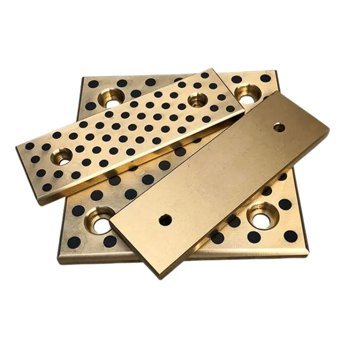
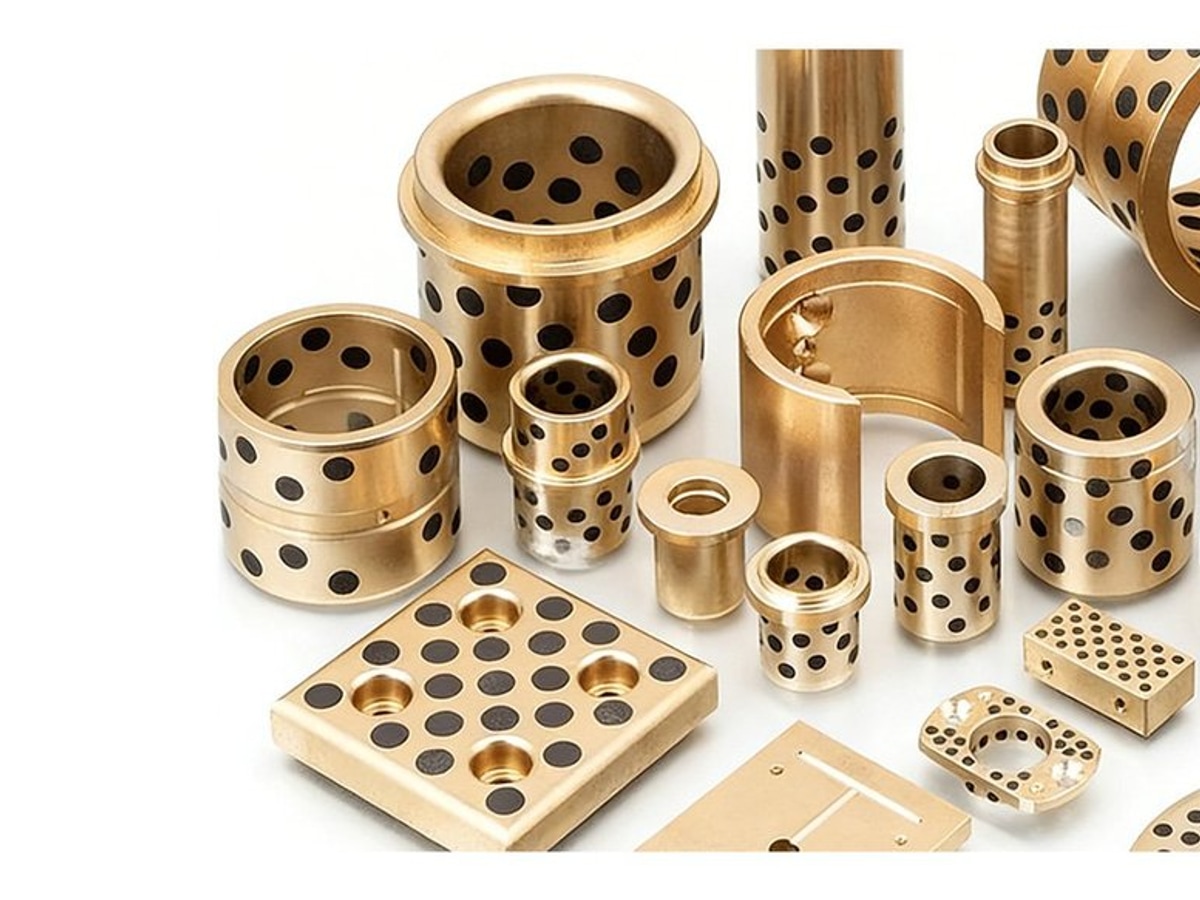
Graphite-plugged wear plate
Place solid-lubricant plugs in the working zone where oil supply is difficult.
Send inquiry now →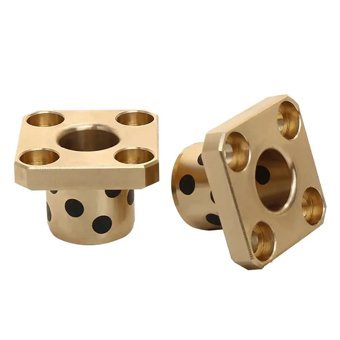
Oil-grooved slide plate
Grooves and oil supply maintain lubrication; connect groove paths to the inlet.
Send inquiry now →Industries and operating scenarios
Graphite bronze wear and slide plates serve flat heavy-duty sliding—often on mold slide ways; specify contact area, fasteners and travel rather than a bore/shaft pair.
Send inquiry now →Typical industries
-
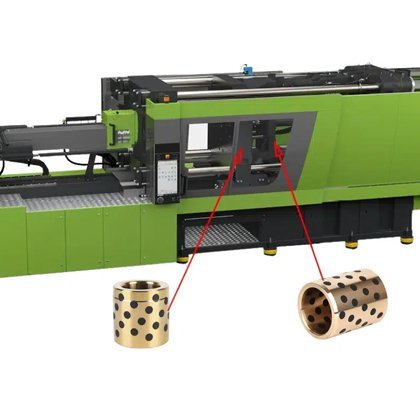
Injection mold systems -
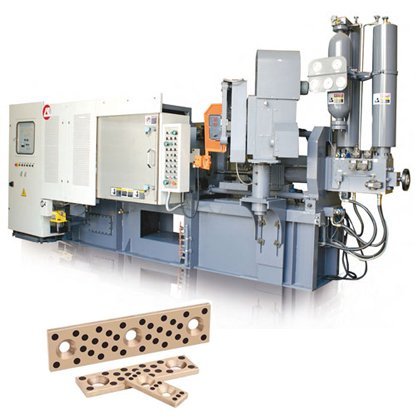
Die-casting molds -
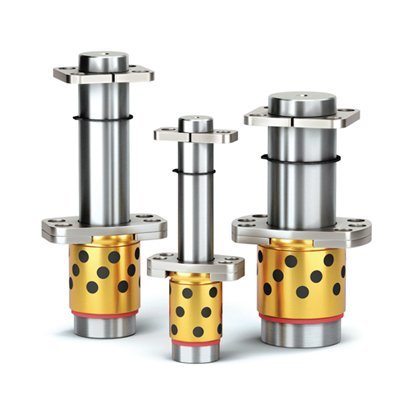
Stamping dies -
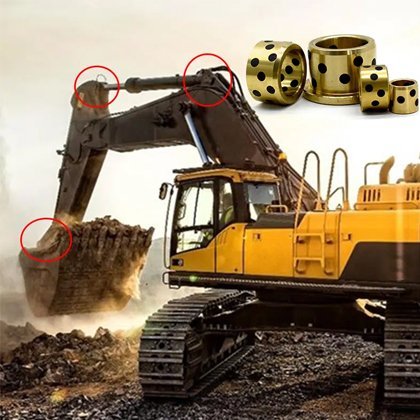
Heavy machinery moving parts -
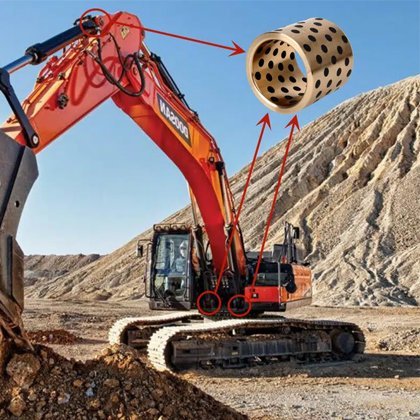
Construction machinery
Materials and treatment options
Plate alloy and graphite layout define flat load capacity and lubrication—same brass / aluminum bronze / phosphor bronze logic as HTX graphite bushings, confirmed for your duty.
Send inquiry now →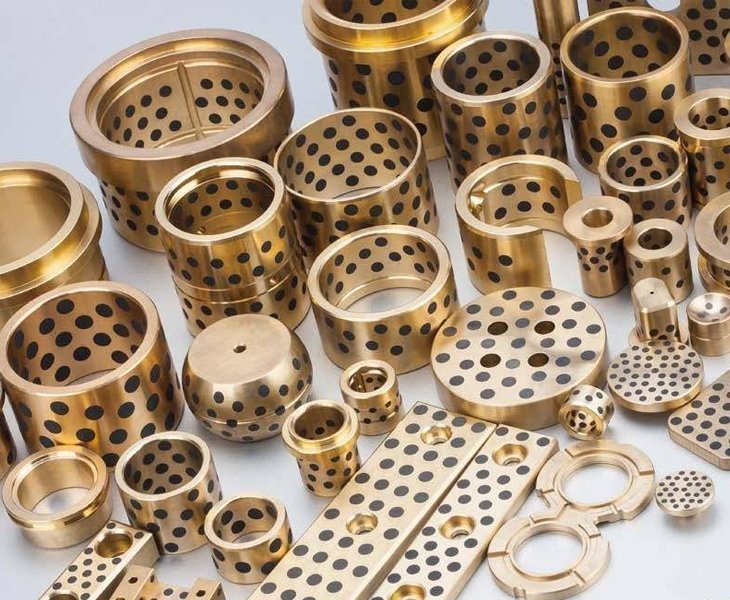
How they work
Embedded graphite releases a film during flat sliding to cut dry friction between plate and counterface—suited to slide ways that are hard to oil regularly.
Send inquiry now →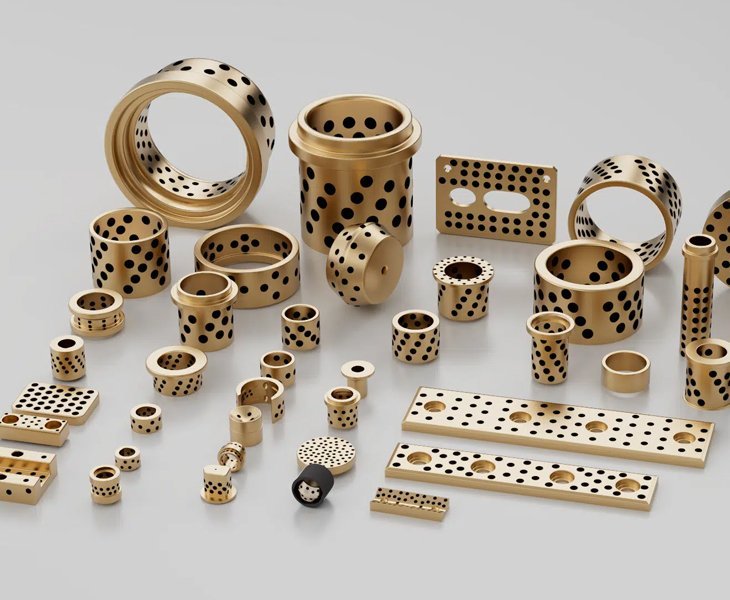
Family-specific questions
Wear plates vs graphite bushings?
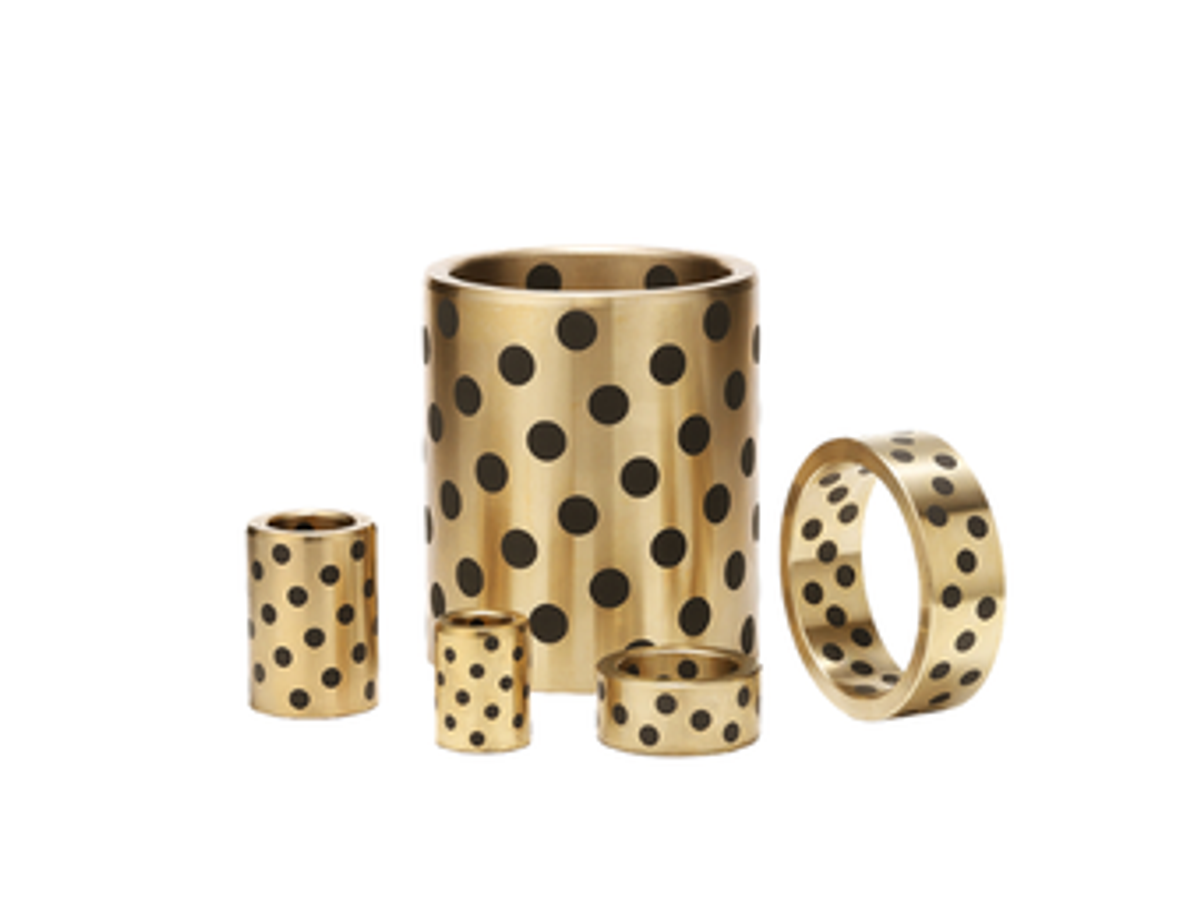
Plates serve flat sliding with bearing area and fasteners; bushings are bore/shaft pairs—lubrication layout differs.
 Chat on WhatsApp